Comparing Central Air and Mini-Split Systems: Which Is Best for You? Apr 01, 2026
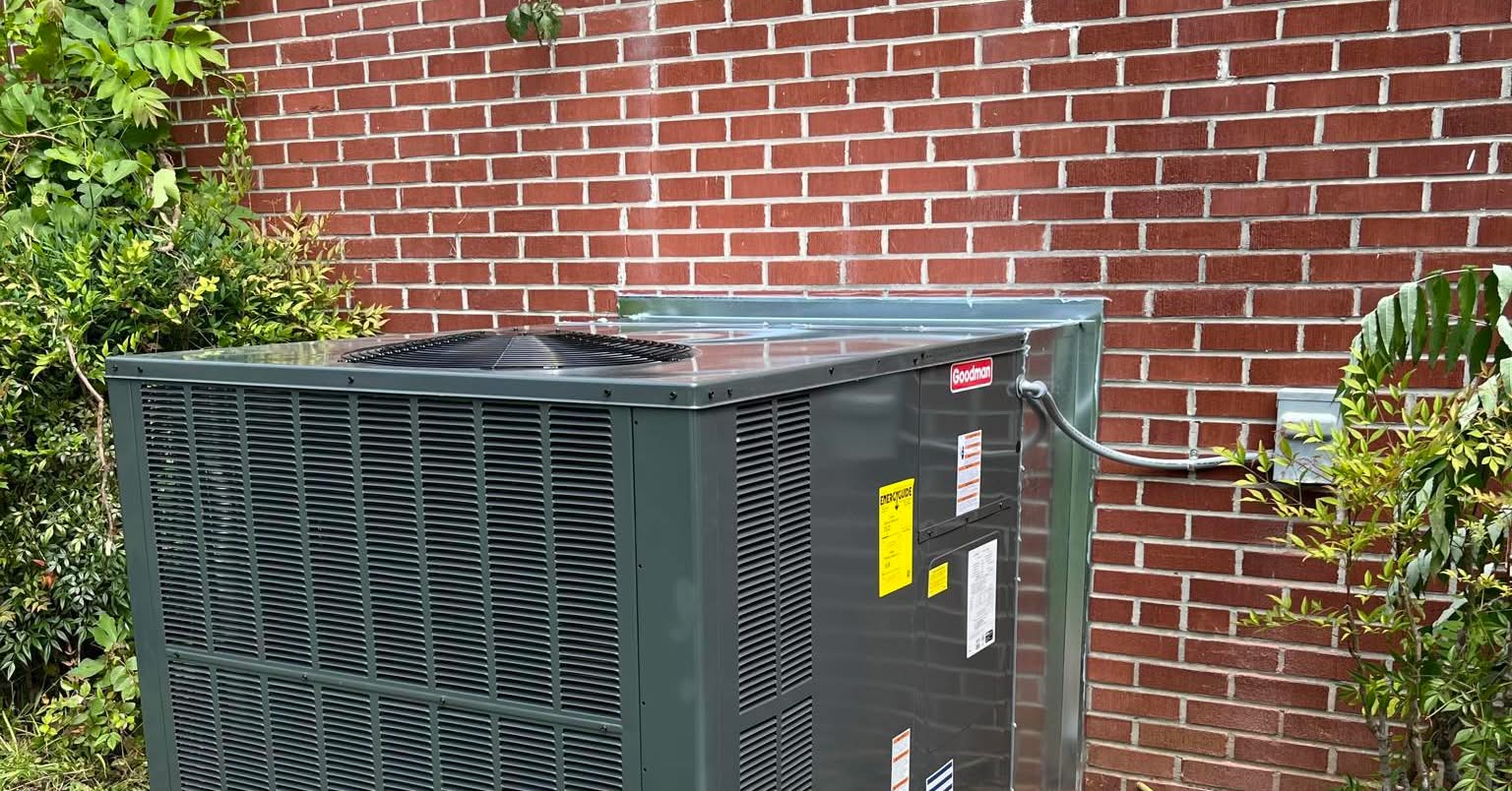
Central air conditioning systems are a staple in many American homes, known for their ability to provide even temperature regulation throughout an entire house. They work by distributing cooled or heated air via ductwork. One of the main advantages of central air is the ability to maintain a consistent, comfortable temperature across multiple rooms. This can be particularly beneficial for large households or homes with open floor plans.
Moreover, central air systems often add value to a home and are typically less obtrusive, as the major components are hidden away in utility closets or basements. They also interface well with programmable thermostats and home automation systems, offering convenient and customizable temperature control.
However, central air systems can be costly to install, especially if ductwork needs to be added or replaced. Regular maintenance of the ducts is essential to ensure efficiency and air quality. This is where the reliable services of Brantley’s Heating and Cooling can be a game-changer, ensuring your system operates at peak performance.
On the other side of the spectrum, mini-split systems present a flexible, energy-efficient alternative to central air conditioning. Mini-splits consist of an outdoor compressor unit and one or more indoor air handling units, which are connected by a conduit. This setup eliminates the need for ductwork, making installation easier and often less expensive.
The most attractive feature of mini-split systems is the ability to create different temperature zones within a home. This means you can heat or cool individual rooms separately, catering to specific comfort preferences and often resulting in energy savings. This zoning capability is ideal for homes with additions or those where not every room is occupied consistently.
Additionally, mini-splits provide greater control over the indoor climate, which can help to reduce overall energy consumption. They are also known for being quieter and having a longer lifespan due to their design and modern technology. For homeowners looking to retrofit older homes, mini-split systems can be particularly appealing due to their ductless nature.
When deciding between central air and mini-split systems, consider factors such as the size of your home, your budget, and your specific comfort needs. No solution is universally superior, but there is an ideal choice for you.
In conclusion, both central air conditioning and mini-split systems offer distinct benefits. Your decision should be tailored to personal preferences, specific home characteristics, and long-term cost considerations. Consulting with an HVAC professional like those at Brantley’s Heating and Cooling can provide key insights tailored to your cooling and heating requirements. Their expertise ensures your chosen system is installed correctly and maintained properly for years of satisfactory service. Equip yourself with the right information, and rest easy in your perfectly climate-controlled haven.
/filters:no_upscale()/filters:format(webp)/media/fbdb9e3c-e4be-485c-b297-d4d5299c18cd.jpeg)
/filters:no_upscale()/filters:format(webp)/media/49f13c67-1e0d-4a96-b248-49aebd6eb645.jpeg)