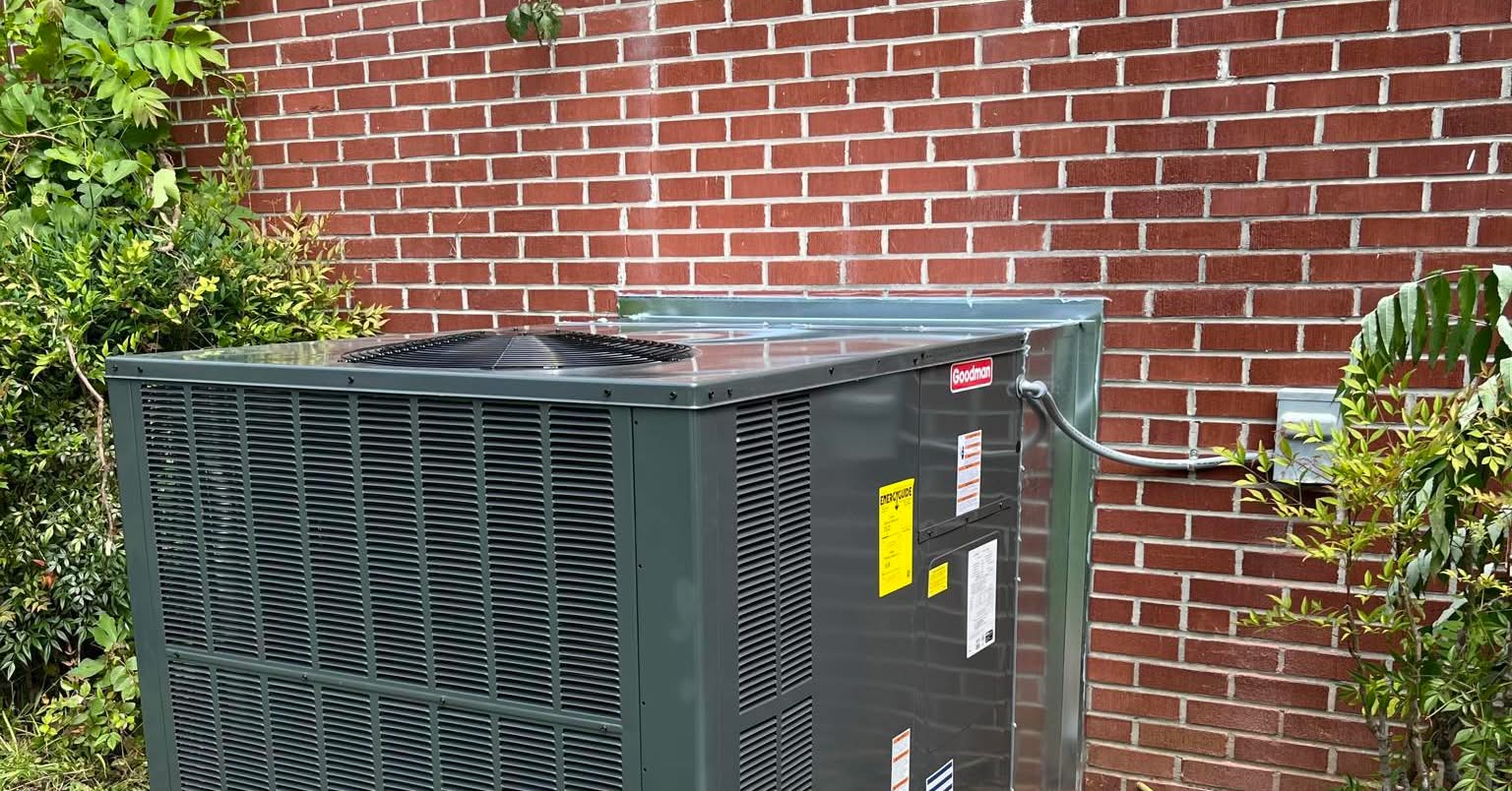
The Impact of Climate on Your HVAC System's Performance Dec 28, 2025
First, it is essential to acknowledge that temperature fluctuations and humidity levels in your region play a significant role in how your HVAC system operates. During the hot summer months, HVAC systems work tirelessly to maintain cool, comfortable environments indoors. High outside temperatures can force your HVAC unit to run longer cycles, increasing energy consumption and wear and tear on components. To cope with these demands, consider regularly scheduled maintenance to ensure your system is running efficiently. Replace filters monthly and have a technician assess the refrigerant levels to prevent your unit from overworking.
Winter presents its own set of challenges, as HVAC systems pivot from cooling to heating. In colder climates, prolonged operation can strain heating components such as burners, heat exchangers, and thermostats. Regularly inspect these parts to ensure optimal performance. Insulating your home or workplace effectively can also reduce the burden on your system, keeping heat from escaping and consequently lowering energy bills.
Humidity is another climatic factor that affects HVAC performance. In warmer, humid climates, air conditioning systems not only need to cool the air but also remove moisture. Excessive humidity can make cooling processes less effective and may lead to condensation issues and mold growth inside the HVAC unit. Installing a dehumidifier can help ease the load on your air conditioning system and improve indoor air quality.
Conversely, dry climates may require your HVAC system to include a humidification feature to prevent the air from becoming too dry, which can lead to discomfort and potential damage to wooden structures or furniture in your home. Ensuring that your system includes appropriate humidity controls can lead to better air circulation and overall comfort.
Routine maintenance is the cornerstone of adapting your HVAC system to climate demands. Schedule regular check-ups with certified technicians from Brantley’s Heating and Cooling to assess each component of your system. Preventative maintenance helps identify potential issues before they become costly repairs. During these inspections, technicians can also clean coils, calibrate thermostats, and check ductwork to ensure peak performance.
Furthermore, consider upgrading to a programmable or smart thermostat to enhance your HVAC system's adaptability to changing weather conditions. These devices allow you to schedule temperature changes according to your daily routines, reducing energy consumption when heating or cooling is not necessary. Advanced smart thermostats can learn your preferences and adjust settings automatically, offering even further energy savings.
In conclusion, recognizing the relationship between climate and your HVAC system’s performance is vital for maximizing efficiency and longevity. By taking proactive measures such as implementing regular maintenance, incorporating humidity controls, and utilizing smart technology, you can optimize your system for any climate. Clients of Brantley’s Heating and Cooling can rest assured that expert guidance is available to keep their systems running smoothly regardless of weather fluctuations. Adjusting your HVAC strategy to meet climate demands not only ensures comfort but also contributes to significant cost savings over time.
/filters:no_upscale()/filters:format(webp)/media/fbdb9e3c-e4be-485c-b297-d4d5299c18cd.jpeg)
/filters:no_upscale()/filters:format(webp)/media/49f13c67-1e0d-4a96-b248-49aebd6eb645.jpeg)